Projects
Robotics, reinforcement learning, humanoid control, and hands-on mechanical design, from simulation to hardware.
Nov 2025 – present
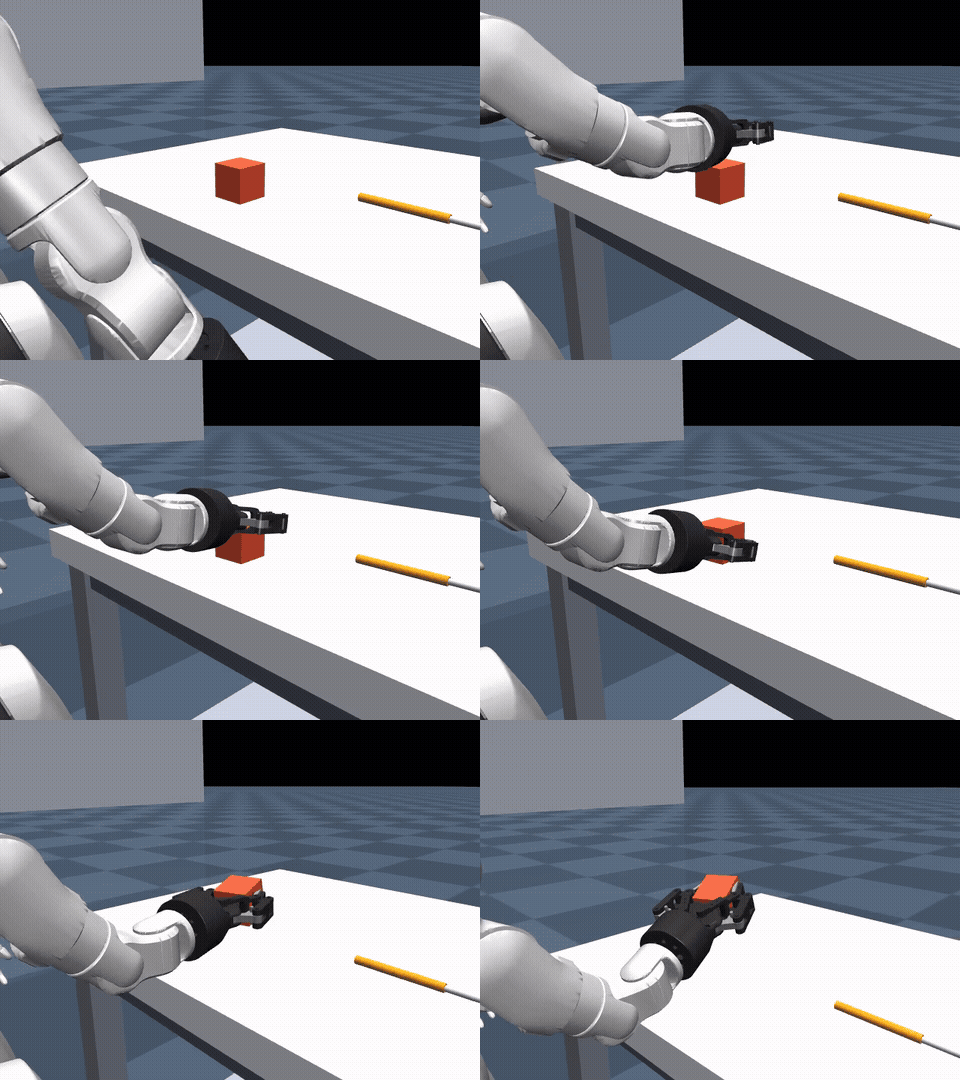
RL in Isaac Lab (Nov–Dec 2025). PPO trains an SO-101 arm to grasp from reward alone.
Sim2real (Sep 2026). The reach policy was accurate in sim (6 mm) but oscillated on the real arm because the simulated actuator was much softer than the geared servo. I fit sim stiffness, damping and friction from a step-response test on the real arm and doubled the servo P gain; the retrained policy holds steady on hardware.
Teleop and haptics (Sep 2026–present). Leader–follower teleop with LeRobot and a wrist camera, recording demonstrations for ACT (in progress). The leader is driven toward the follower's position, so it resists when the follower is blocked, for example when gripping an object.
Oct 2026 – present
A Geomagic Touch drives a real SO-101 over ROS 2. Stylus position maps through IK to the arm's wrist point, and stylus orientation to the wrist joints. Motion is clutched by the stylus button, speed-limited per joint, and stopped if the device goes quiet. Blue is the commanded pose, orange the measured one.
Haptic virtual fixtures with control barrier functions (Nov 2026). Following Bloom et al. (IEEE ToH 2026), a virtual wall sits 1.5 cm above the table in one of three modes, switchable live: off, an impedance (spring) wall, or a CBF. The CBF filters the commanded motion so the arm slows down before the wall and stops on it, and the operator feels that braking through the stylus, stronger the faster they come in. An impedance wall only pushes back after the hand has already crossed it. The tracking gain K and barrier rate α are tunable live to reproduce the paper's K/α result. In a first logged run (8 CBF approaches against 29 with the earlier wall), the arm met the wall at about half the speed: 221 vs 405 mm/s. Next: a full OFF / impedance / CBF comparison, a joint-space QP with joint limits, a Hapkit for the gripper, and camera-based barriers around objects.
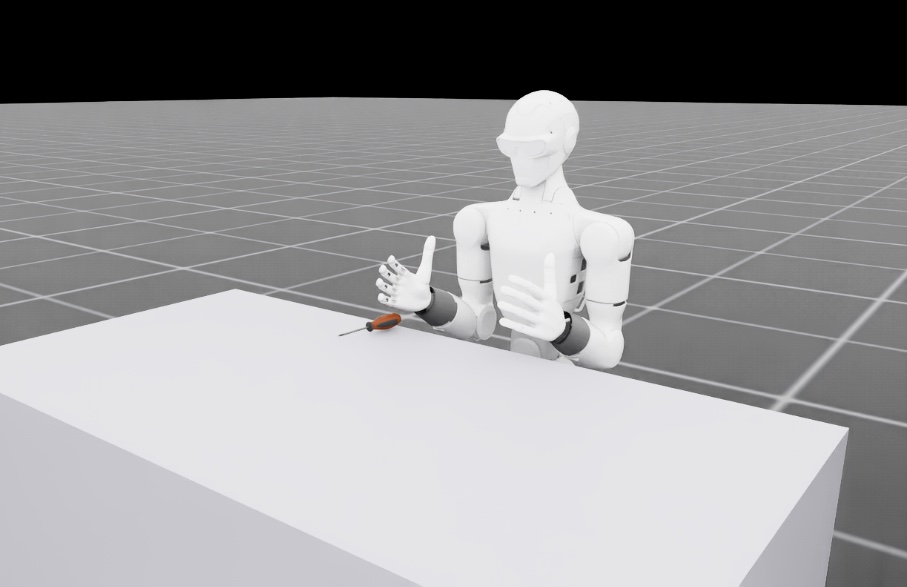
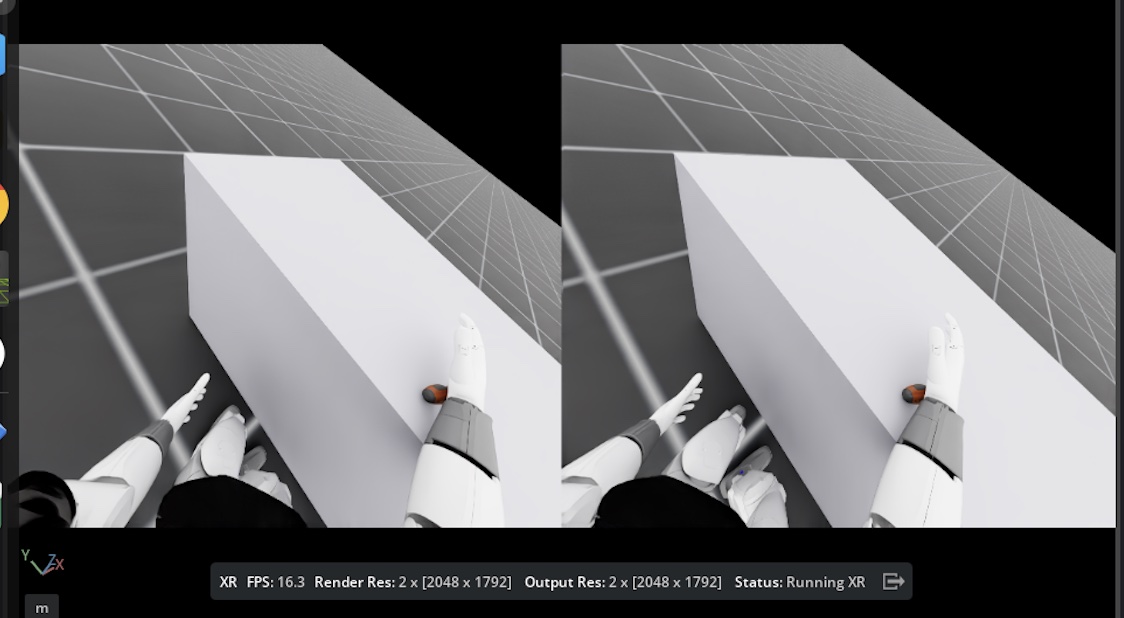
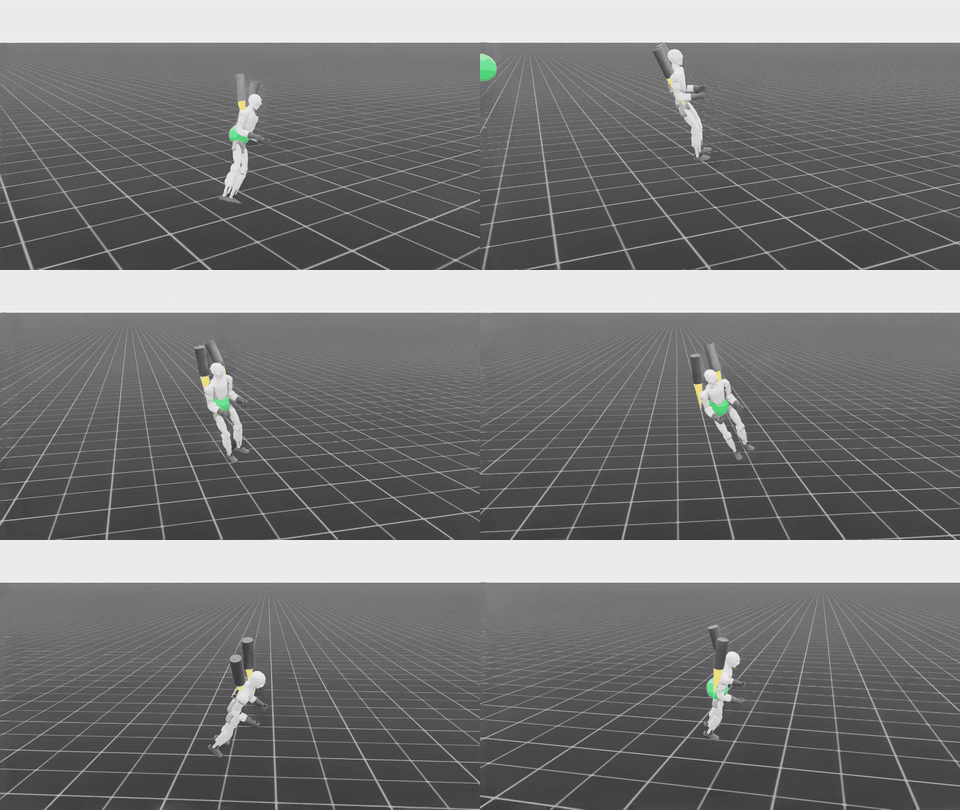
Meta Quest teleop of a simulated humanoid, for collecting imitation-learning demos.
Sep 2025 – Jan 2026
Human Centered Robotics Lab, UT Austin
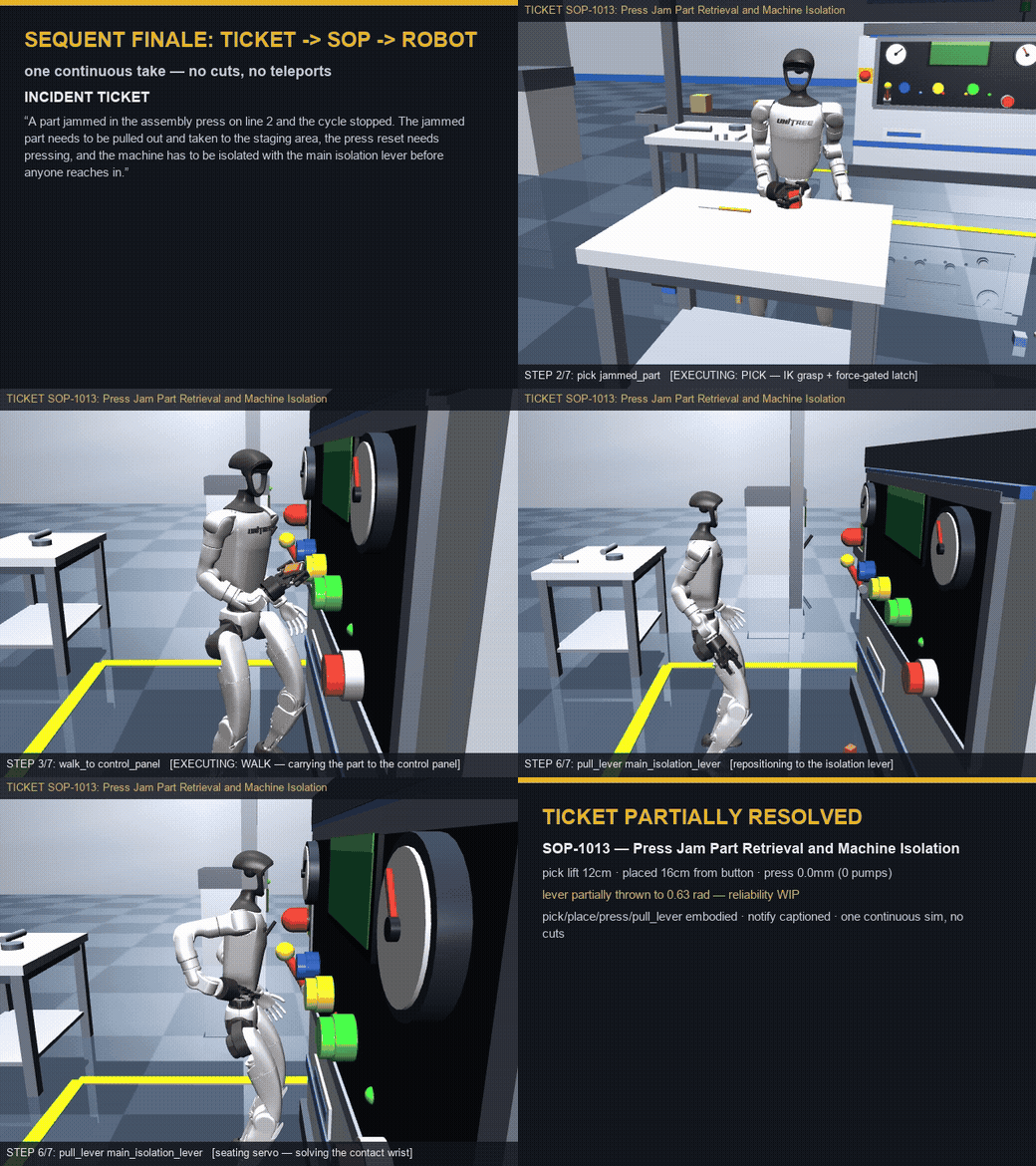
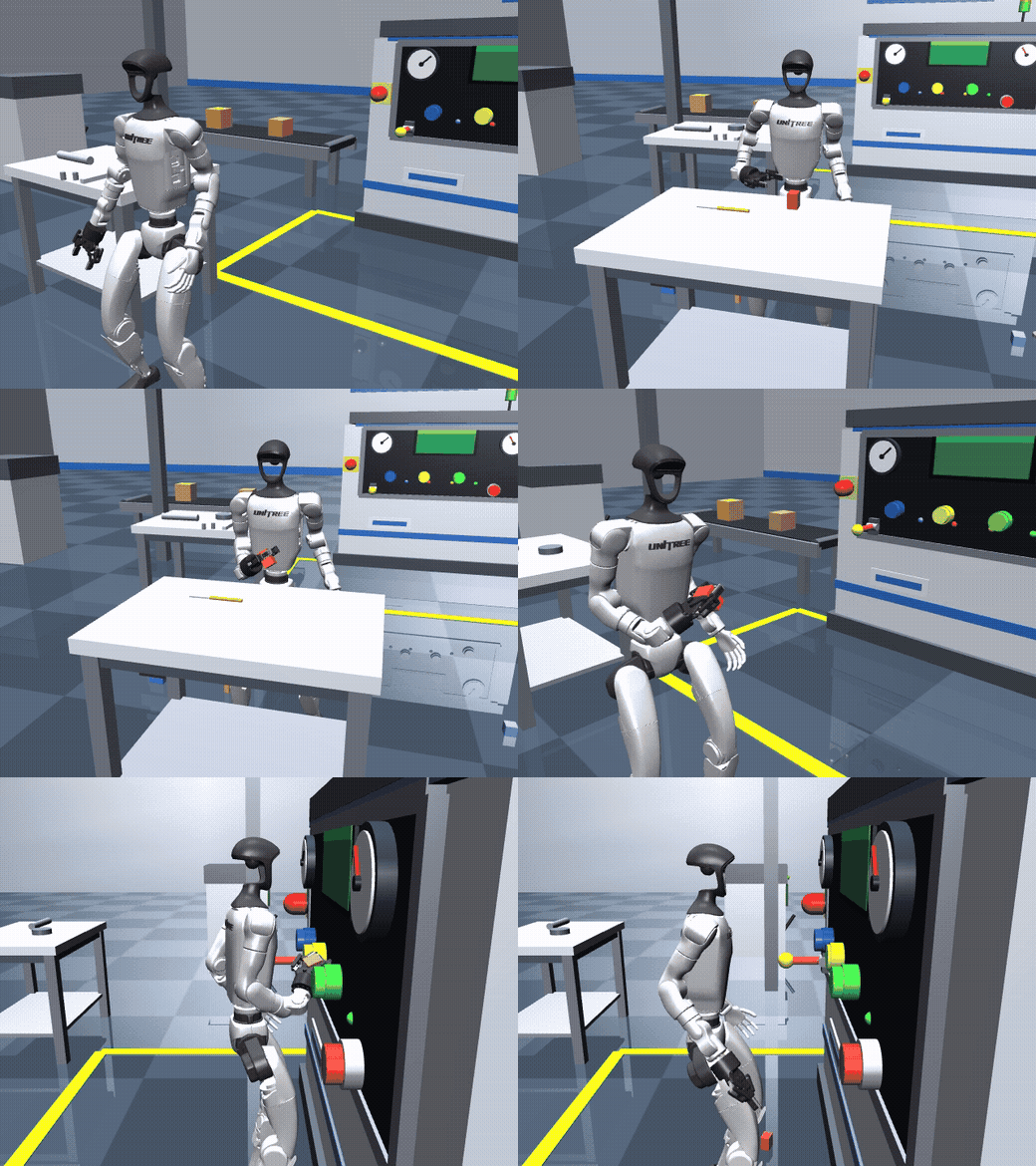
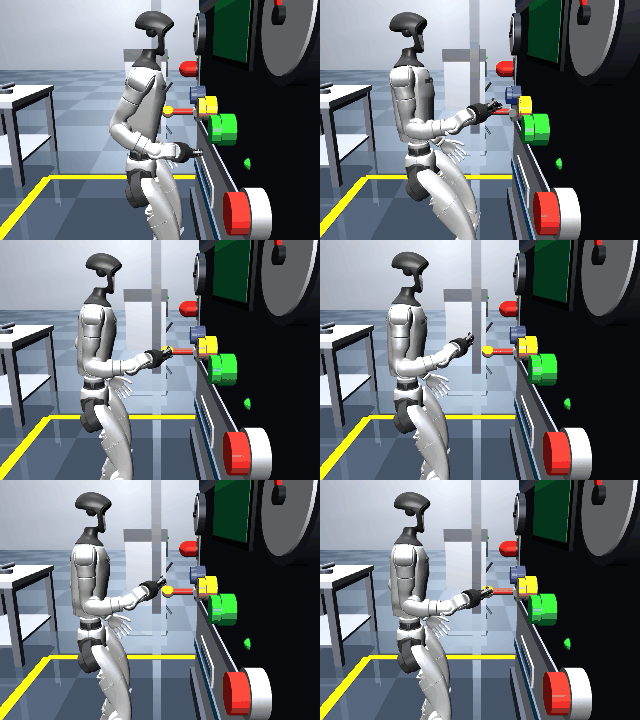
A simulated Unitree G1 reads a plant-floor ticket, retrieves the matching procedure out of 1,012, and runs its steps in MuJoCo. The fine-tuned MiniLM retriever gets R@1 0.58 on held-out tickets (BM25 0.36). Walking uses the AMO controller and picking uses IK; the button press and lever are PPO policies and neither is solved (the press re-presses for reward; the lever works about half the time). A verifier checks each step from simulator state.
Fall 2025
Course project, UT Austin · Atlas, simulated
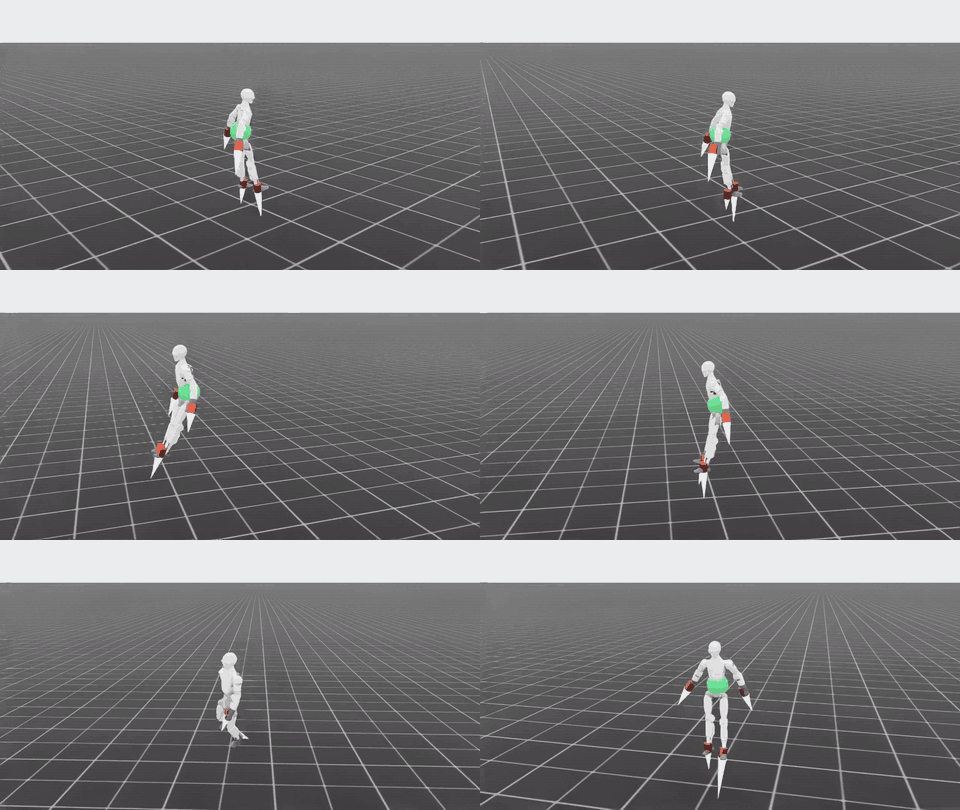
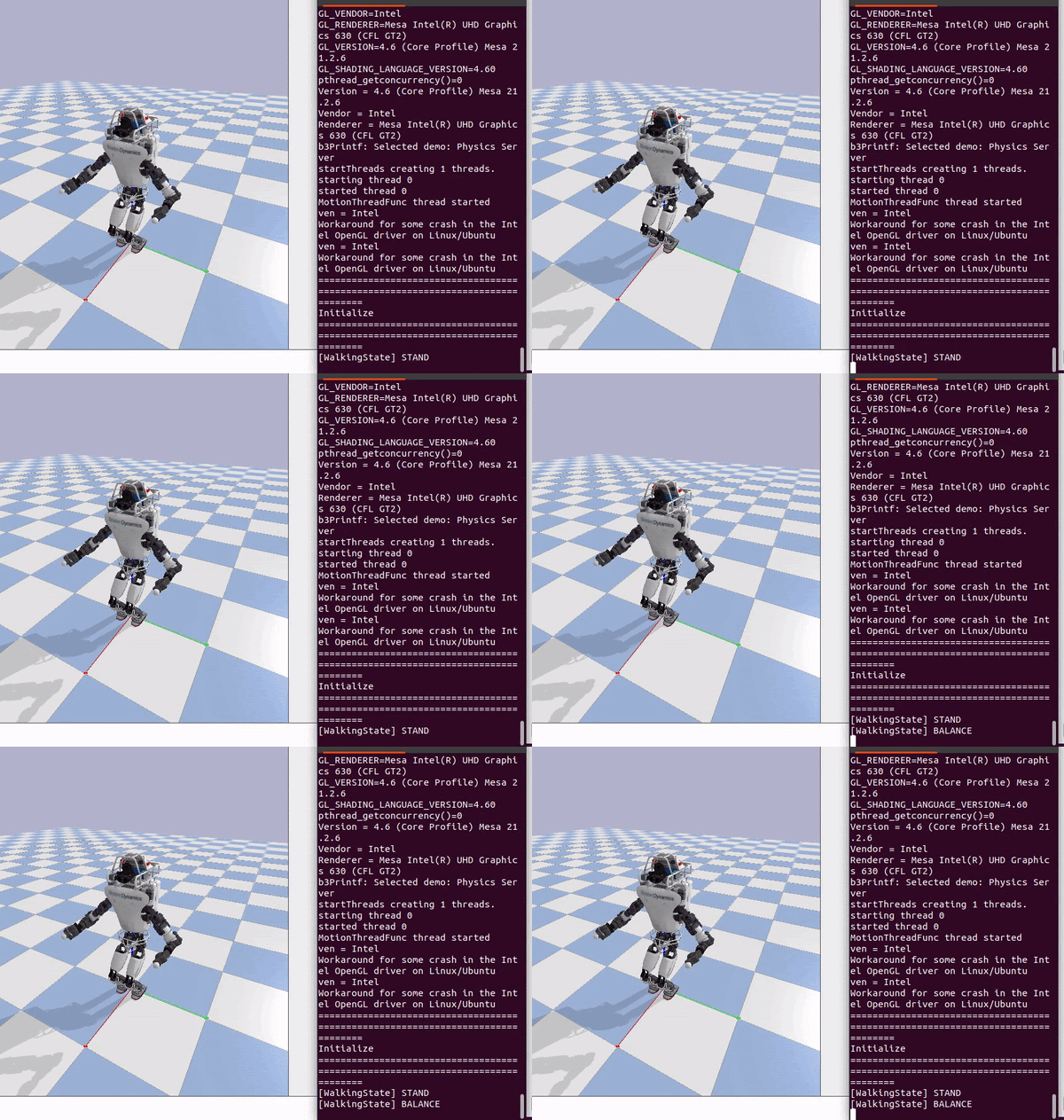
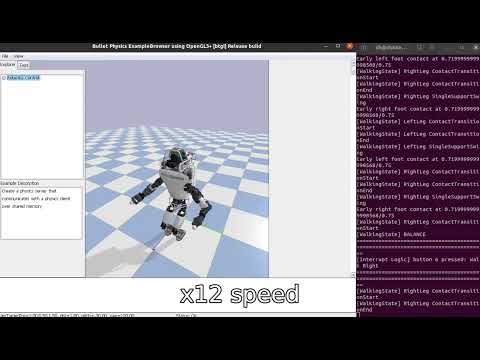
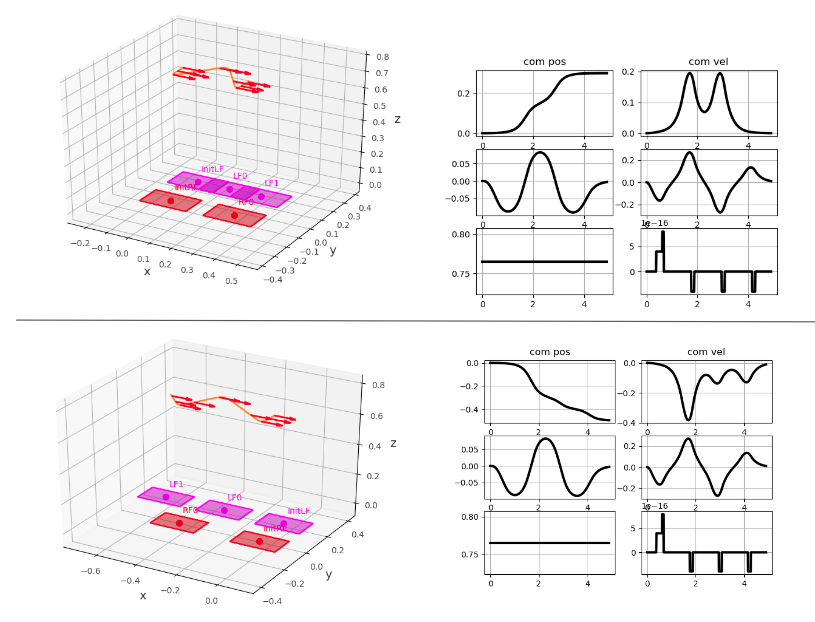
Humanoid walking in simulation: a QP whole-body controller computes balancing torques, and a DCM planner generates footsteps under ZMP constraints.

Mechanical Engineering Internship · Jan – May 2022
Identified a recurring punch retraction issue causing quality defects. Designed 4 new stripper plates in SolidWorks, 3D-printed prototypes for rapid iteration, and validated compatibility with the rocker punch machine.
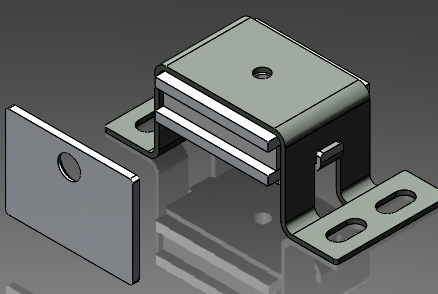
Addressed frequent scratching and warping of M3 Frunk Clips during transport to General Assembly. Designed custom protective clip covers in SolidWorks, 3D-printed prototypes, and iterated on durability, significantly reducing scrap.
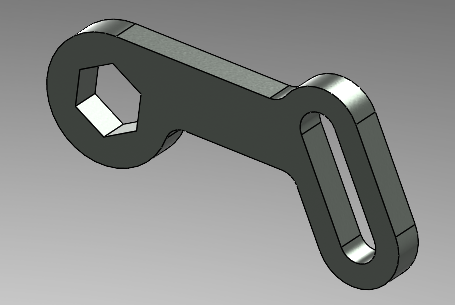
Engineered a spring-loaded installation tool for Parking Assist sensors to eliminate Not-Seated-Properly defects. Validated through multiple prototypes and refined with production teams for ergonomic use.
Software & Data Engineering Internship · May – Aug 2023
Designed and shipped 10 production dashboards covering casting quality, laser weld, adhesive inspection, and audit tracking. Replaced manual Excel reporting with real-time monitoring, defect-location heat maps, and pareto drill-downs filterable by shift, machine, and date.
Built a MATLAB pipeline that ingests raw laser-gauge metrology data and evaluates 74 gap/flush characteristics across vehicle closures, auto-flagging high-failure points with mean and standard deviation overlays to target dimensional improvements.
Ran statistical process control studies for hood-set repeatability across six fixture positions, producing Minitab capability sixpacks to validate process stability. Also led shop-floor root-cause investigations (5W+H) that landed poke-yoke countermeasures with process teams.
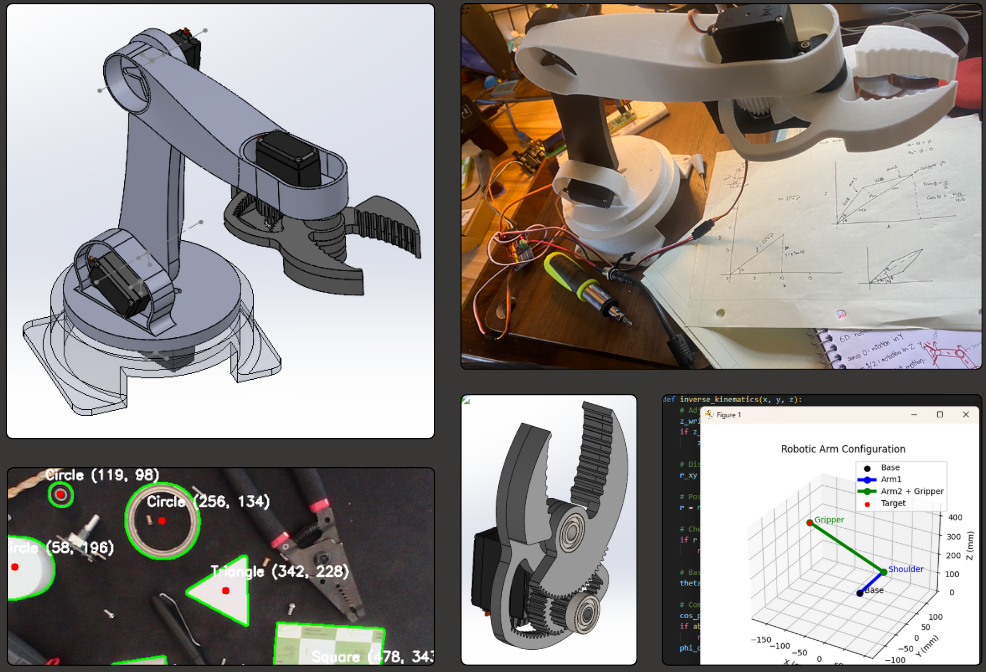

Robotic arm manipulation pipeline with forward/inverse kinematics, trajectory generation, and real-time control. Computes joint-space trajectories from task-space goals via analytical IK, then executes smooth motion profiles with PD control and gravity compensation.
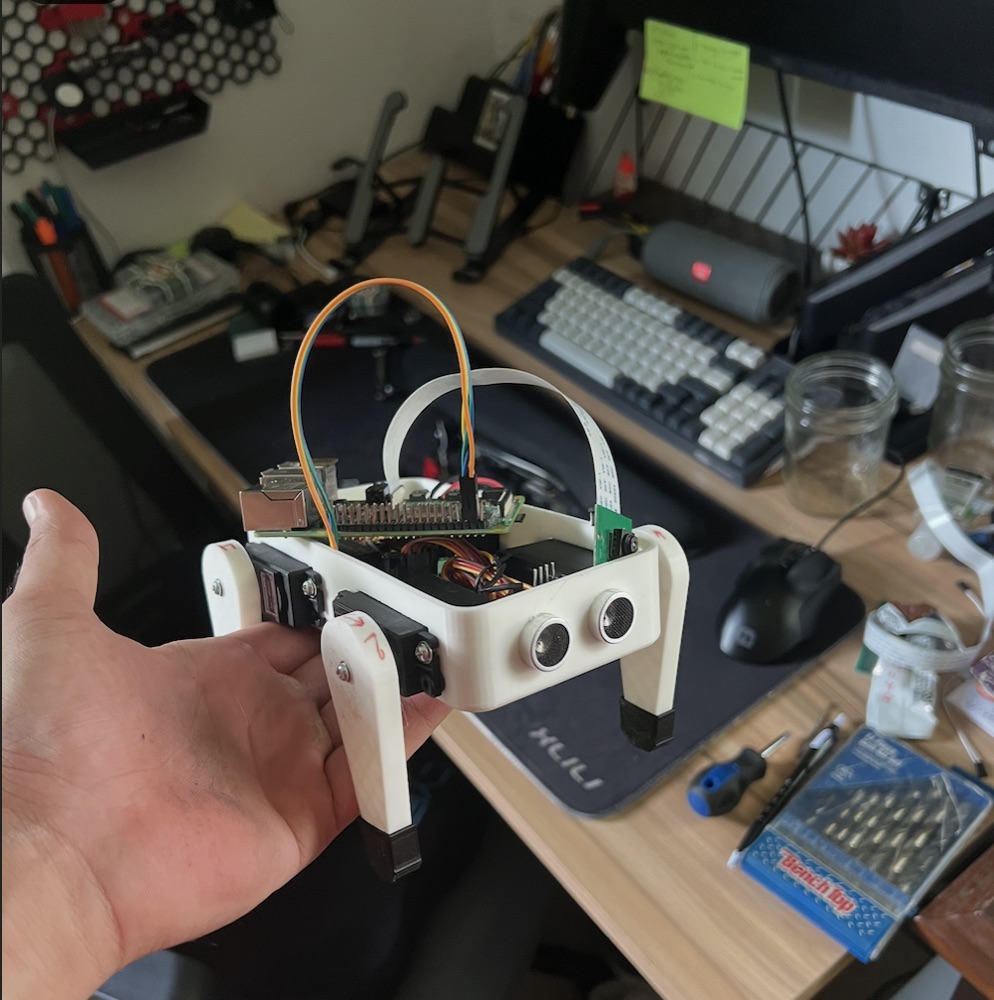
A small 3D-printed quadruped that walks around your desk and runs a small Llama model locally through Ollama, so you can ask it questions and it answers like a little companion. Built on a Raspberry Pi with servo-driven legs, a camera and an ultrasonic sensor for seeing what’s in front of it.
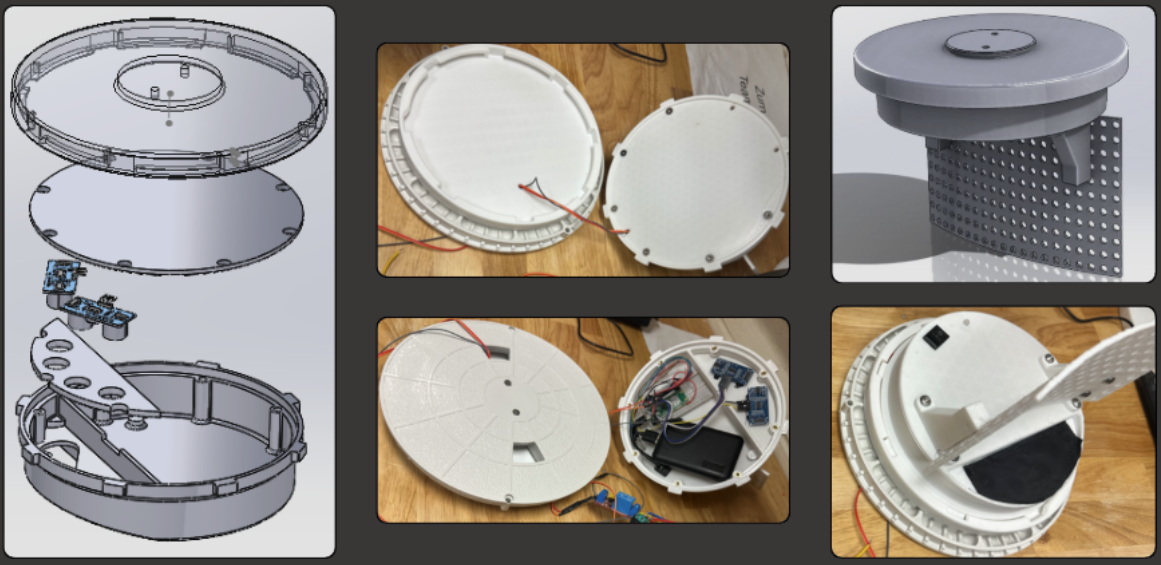

Automated water management system for swimming pools. Designed in SolidWorks with a 3D-printed casing mounted on the skimmer lid. Raspberry Pi with ultrasonic sensors and solenoid valves monitors and controls water levels in real-time.
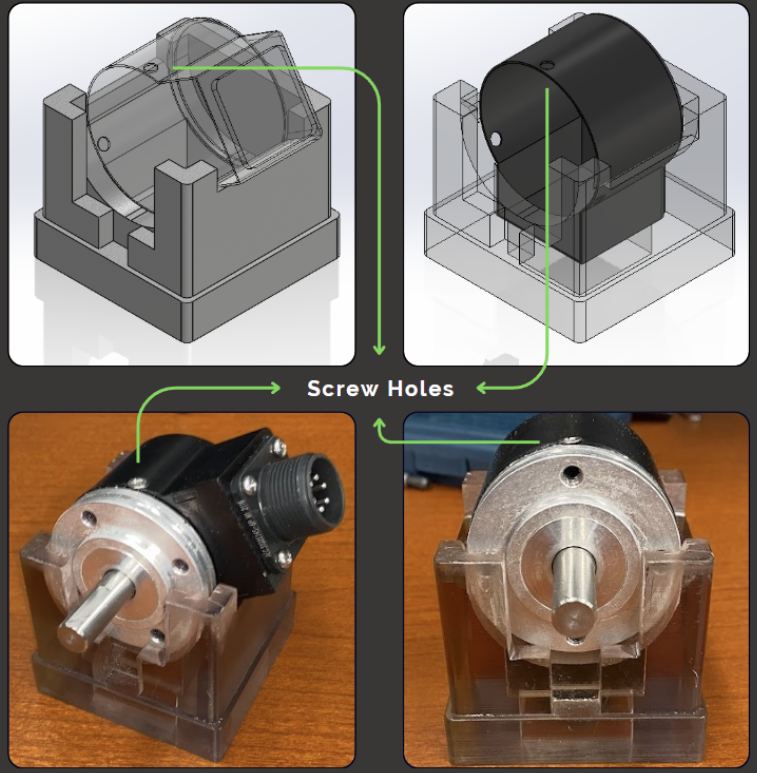

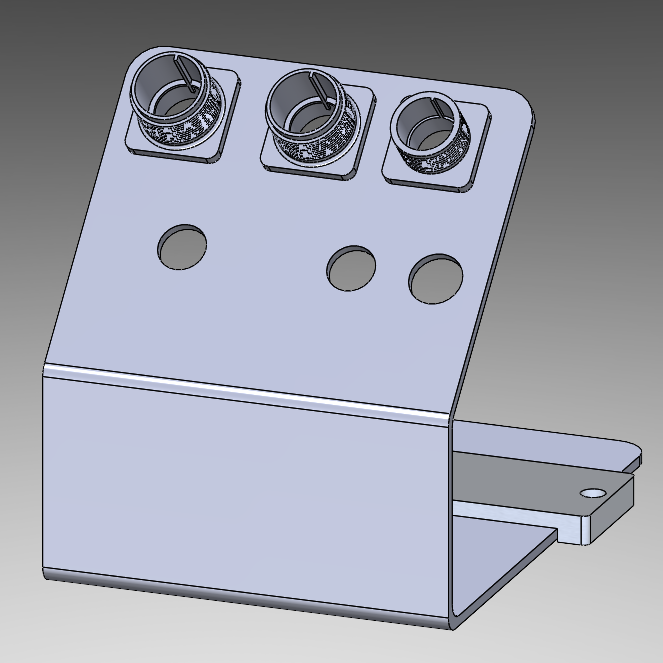
Versatile fixture to securely hold rotary encoder modules at precise angles for cover assembly. Designed in SolidWorks and manufactured on a resin 3D printer. Minimized operator error and increased safety, since operators no longer hold the module during screwing.
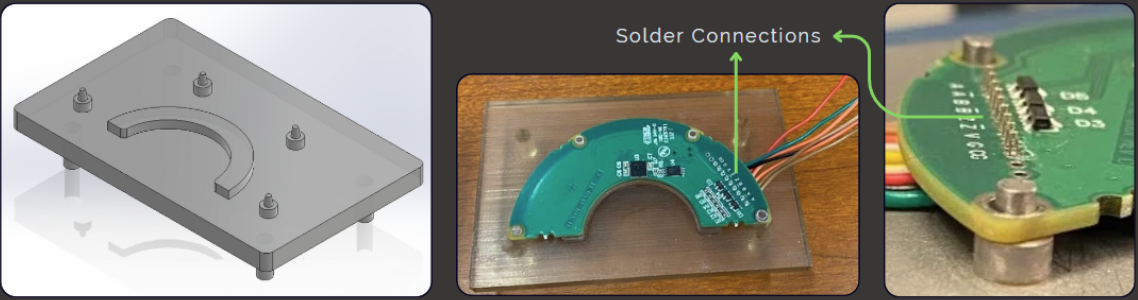
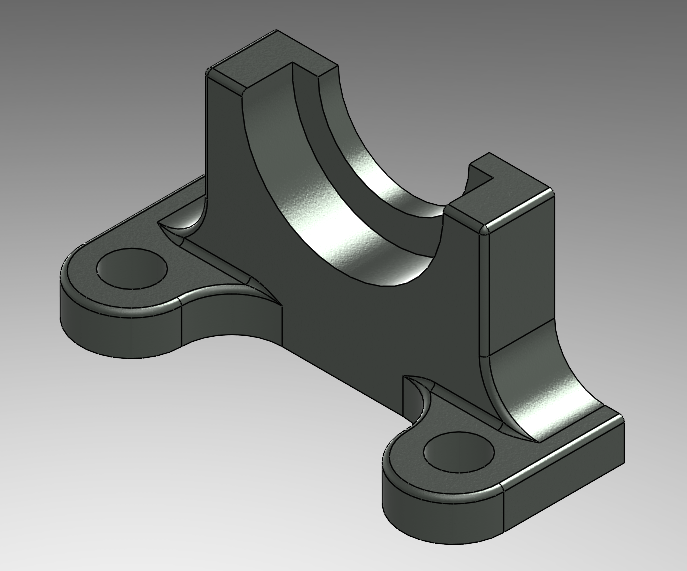
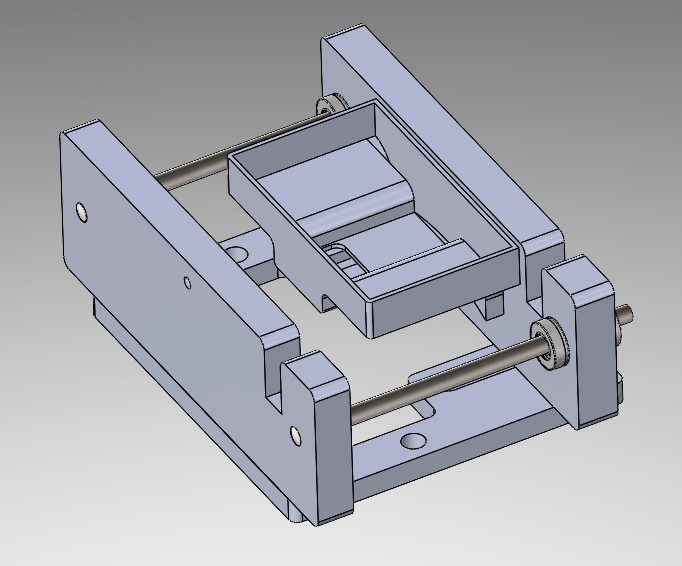
Fixture that firmly secures PCBs while soldering wire connectors. Designed in SolidWorks, prototyped via 3D printing, final version CNC-machined. Improved safety, since operators no longer hold the board during soldering.
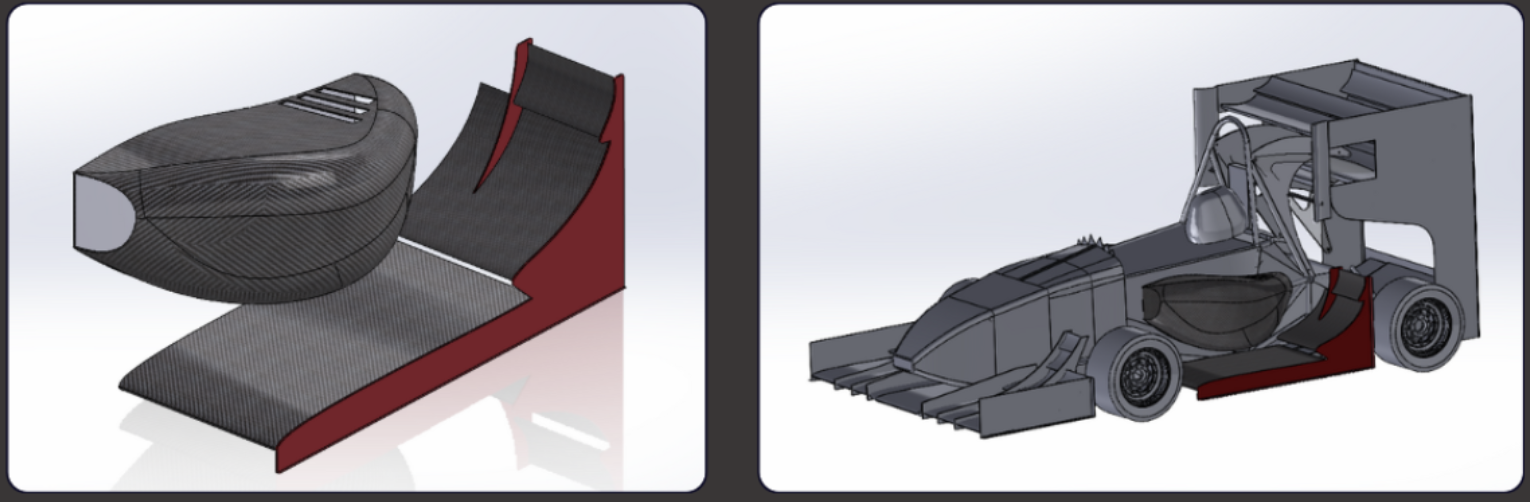

Concept sidepods and side wings for the FSAE EV car. Reduced drag and increased downforce through CFD-optimized geometry, validated with extensive simulation runs.
Nov 2026 · weekend project